A. Stripe rust is developing in the Pacific Northwest
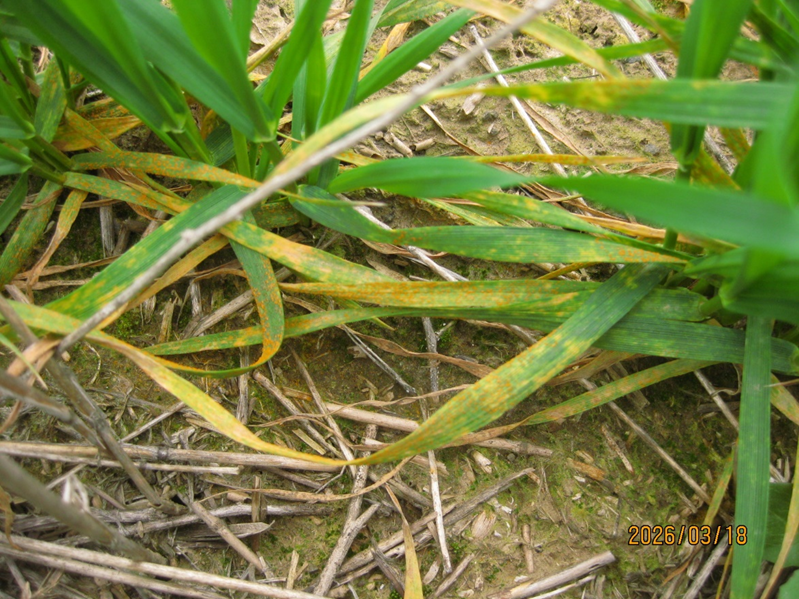
Figure 1. Stripe rust foci in a commercial wheat field in Franklin County, WA on March 18, 2026.
In Horse Heaven Hills (Benton County), rust incidence was much higher, reaching 40% incidence. Most of infections were still on low leaves but producing large quantity of rust spores (Figure 2).
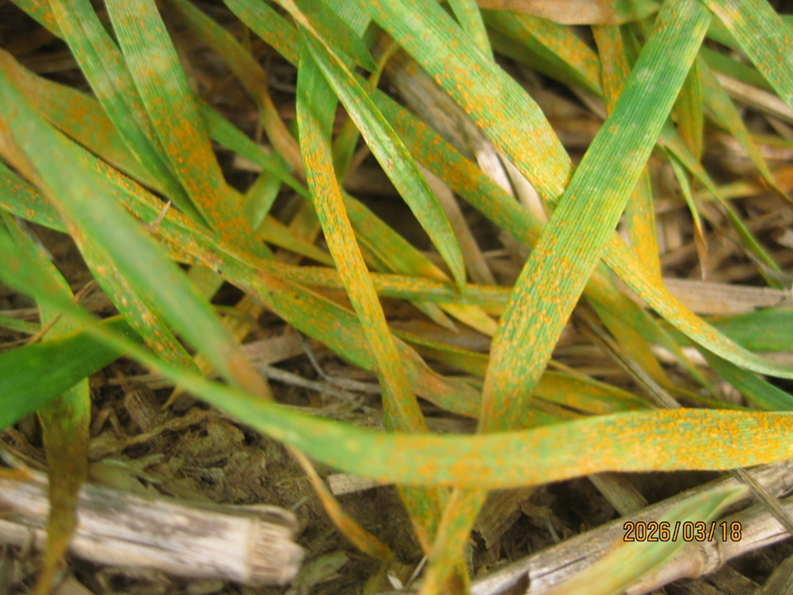
Figure 2. Stripe rust fungus heavily infected low leaves of wheat plants and producing large quantity of spores in a commercial wheat field in Horse Heaven Hills (Benton County, WA) on March 18, 2026.
In Walla Walla, Columbia, and Garfield counties, stripe rust incidence and severity levels were much low in commercial fields (Figures 3 and 4) compared to Benton and Franklin counties, and almost all observed infections were on middle and top leaves, indicating recent infections. However, the disease was severe on susceptible varieties in our experimental field in Central Ferry (Garfield County), where wheat plants reached Feekes 6 and rust were over 90% incidence, 80% severity on low to middle leaves, and reached 40% incidence and severity on top leaves (Figure 5).
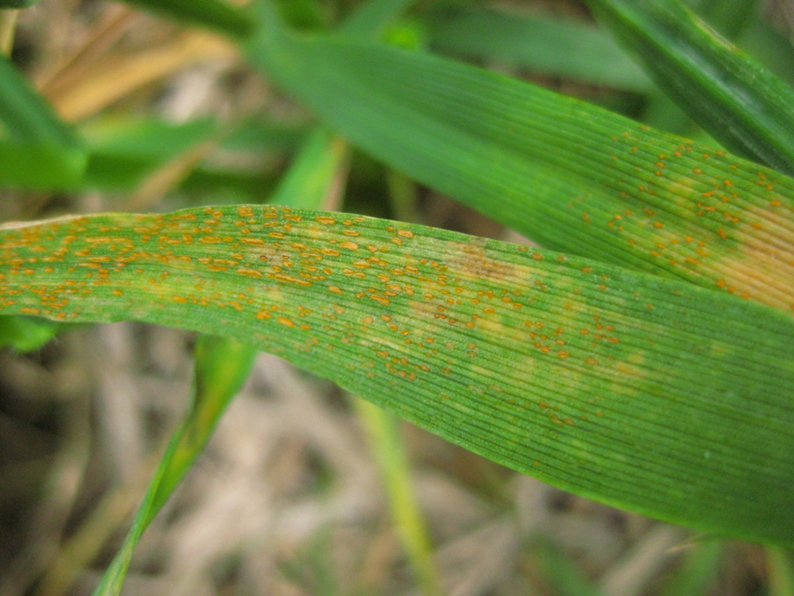
Figure 3. Stripe rust observed in a commercial wheat field in Walla Walla County, WA on March 13, 2026.
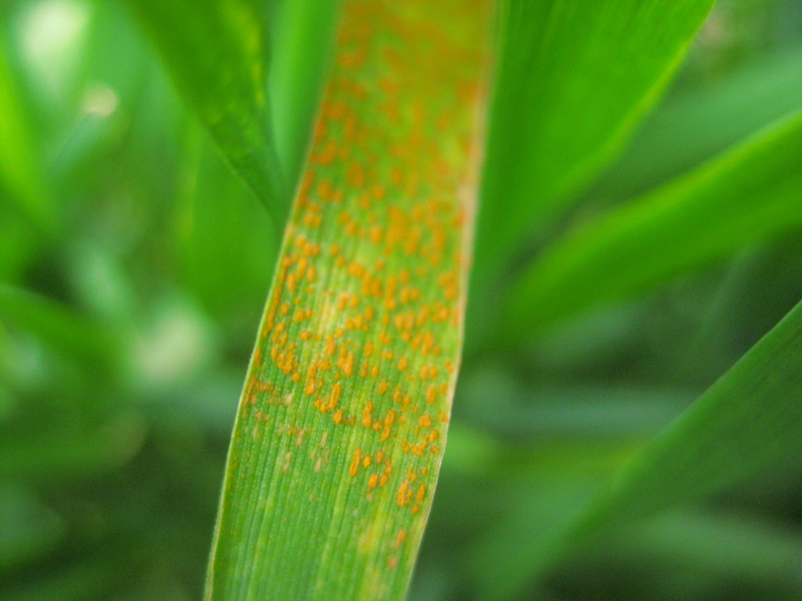
Figure 4. Stripe rust in an experimental wheat field in Columbia County, WA on March 18, 2026.
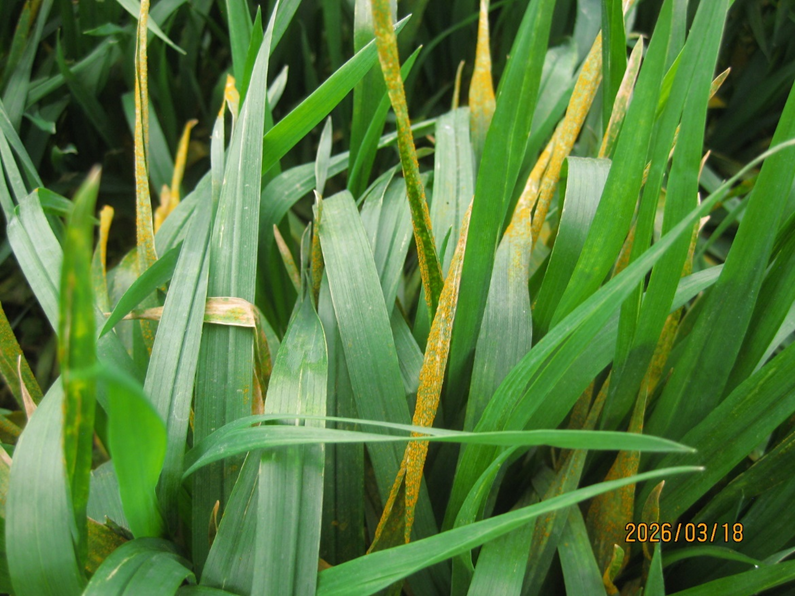
Figure 5. Stripe rust in an experimental wheat field in Central Ferry (Garfield County, WA) on March 18, 2026.
In Whitman County, stripe rust was first reported on cultivar ‘Nova AX’ in the Penawawa area in the southwest corner of the county on March 6 by Morgan Menaker, Regional Extension Agronomist, Washington State University. Yesterday, we found stripe rust in our experimental fields on the Palouse Conservation Field Station near Pullman (Figure 6). The rust incidence was low, and infections were on the first leaves, indicating that infections occurred before the winter. The observation of stripe rust at this location was about 5 weeks earlier than normal and 3 weeks later than the detection in 2011.
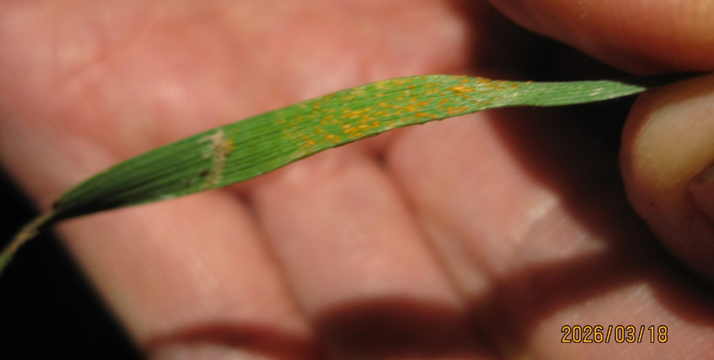
Figure 6. Stripe rust observed in an experimental field near Pullman (Whitman County, WA) on March 18, 2026